
Welcome to Pulse Labs
One small team, several sharp tools. The register of experiments so far: Pulse, SaaS X-Ray, and ROAST, plus the rule every tool has to pass before it ships.
Product UpdatesAug 9, 20264 min read
Deep dives, analysis, and perspectives on investing, personal finance, and the tools that help you stay informed.
One small team, several sharp tools. The register of experiments so far: Pulse, SaaS X-Ray, and ROAST, plus the rule every tool has to pass before it ships.

Wages rose 3.5% this year. Prices rose 3.5%. That is a full year of running to stand still. Why cutting lattes cannot fix a real-wage problem, and the four moves that actually work.
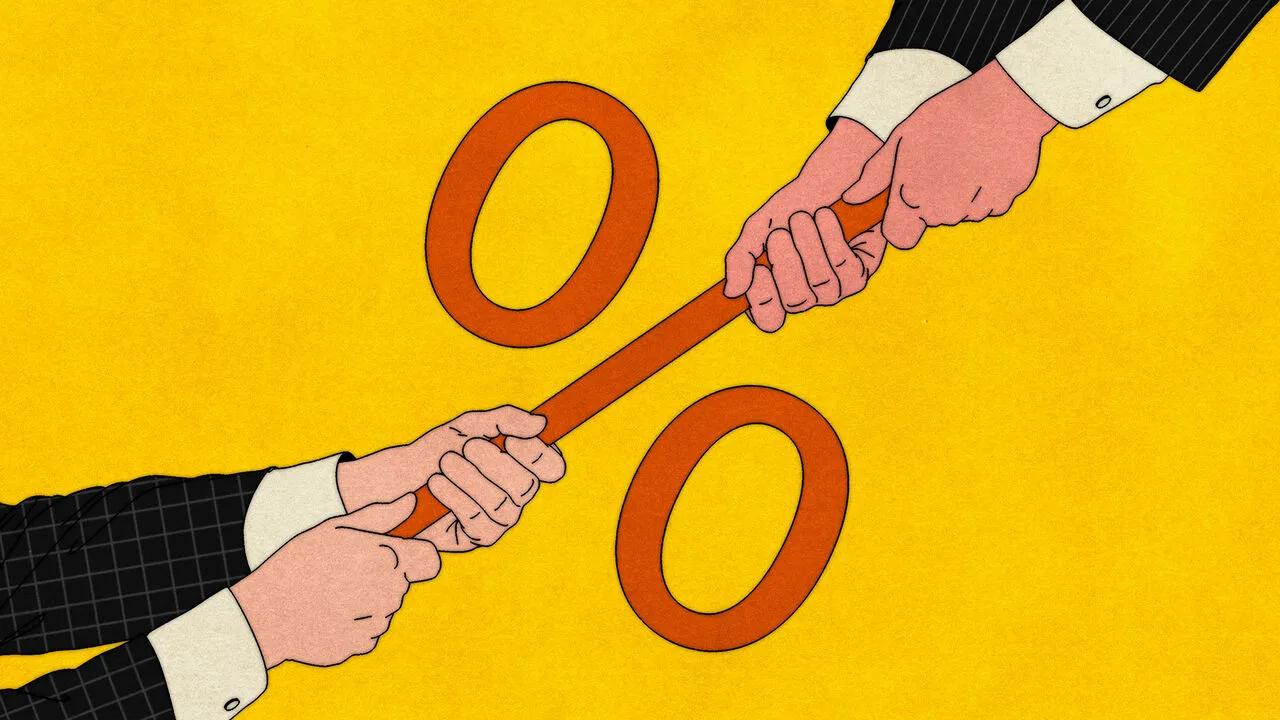
Your company stock made you money. Somewhere along the way it became most of your money. How to tell when a winning position has quietly become a risk, and what to do about it without panic.

Your FICO score can't see your salary, your rent, or your savings. Here's how cash-flow underwriting changed lending, and how the Pulse Score turns the same idea into a habit coach.

America used to have a thriving middle class. Then a series of very specific policy decisions changed everything. Here's what happened, why your zip code matters more than your salary, and how to find out where you actually stand.

Compound interest is powerful. But compounding applies to far more than money. Mental models, skills, and relationships all follow the same formula: dogged incremental progress over time.

Before you invest a single dollar, you need a cushion. The third post in our Back to Basics series explains why boring cash might be the smartest money you ever save.

You filled out one form. Now your phone won't stop ringing. Here's what the law actually says about lead generation, consent farms, and your right to be left alone.

Stop trying to find the needle. Just buy the haystack. The second post in our Back to Basics series explains the simplest, most powerful investment most people overlook.

Silicon Valley keeps trying to automate financial advice. The math isn't the part that's hard.
Your money makes money. Then that money makes money. The first post in our Back to Basics series breaks down the most powerful force in personal finance.
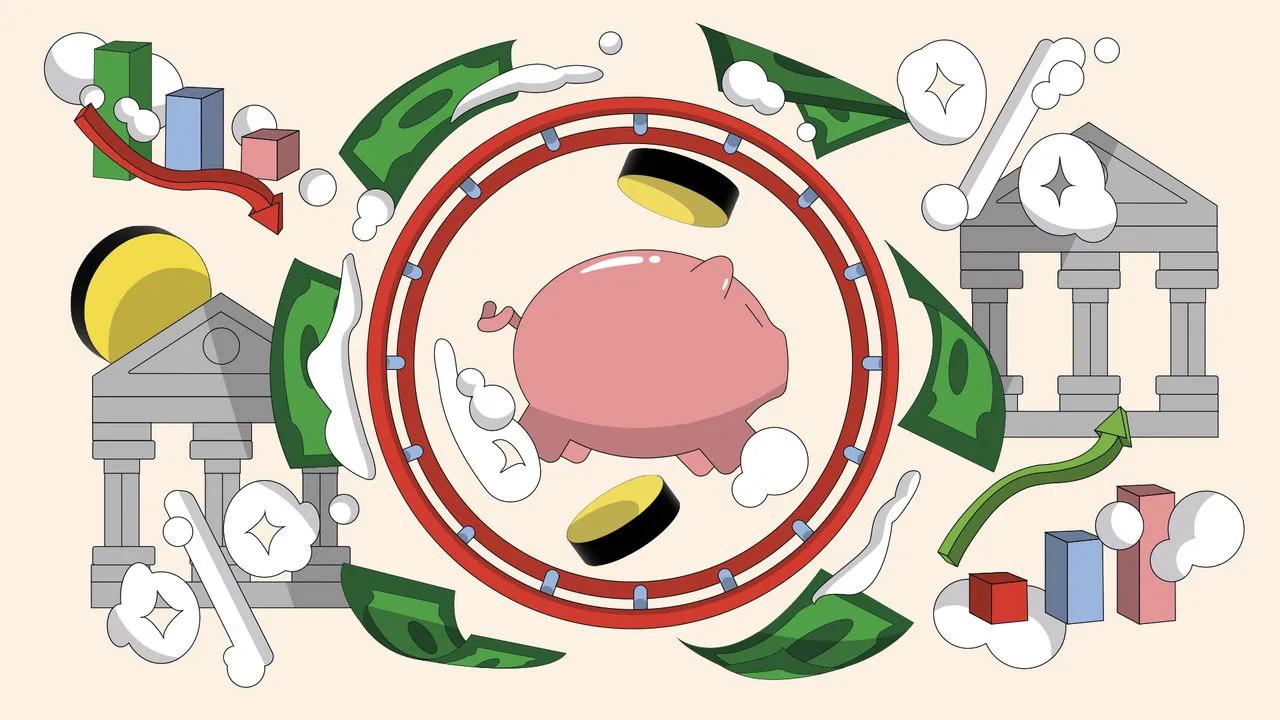
David Bach's idea was never really about coffee. In 2026, it's more relevant than ever.

When anyone can build your product in a weekend, what's actually defensible? The answer might surprise you.

Professional investment research can be expensive. But access has never been more democratized. Here are the best free and low-cost resources.

AI agents aren't just prototypes anymore. Engineers are figuring out how to actually build, deploy, and maintain them. Here's what the stack looks like.

The Rehearsal exposes why we try so hard to plan for a future that refuses to cooperate. Personal finance is full of rehearsals too.

Most people have the same confusion: personal finance jobs all look identical from the outside, while being wildly different underneath.

In 2026, financial progress will not look like a breakthrough for most people. It will look like relief.

Indecision is not the absence of action. It is a state where action continues without commitment. Money keeps moving. Accounts remain open. Risks remain unpriced. Defaults quietly take over.
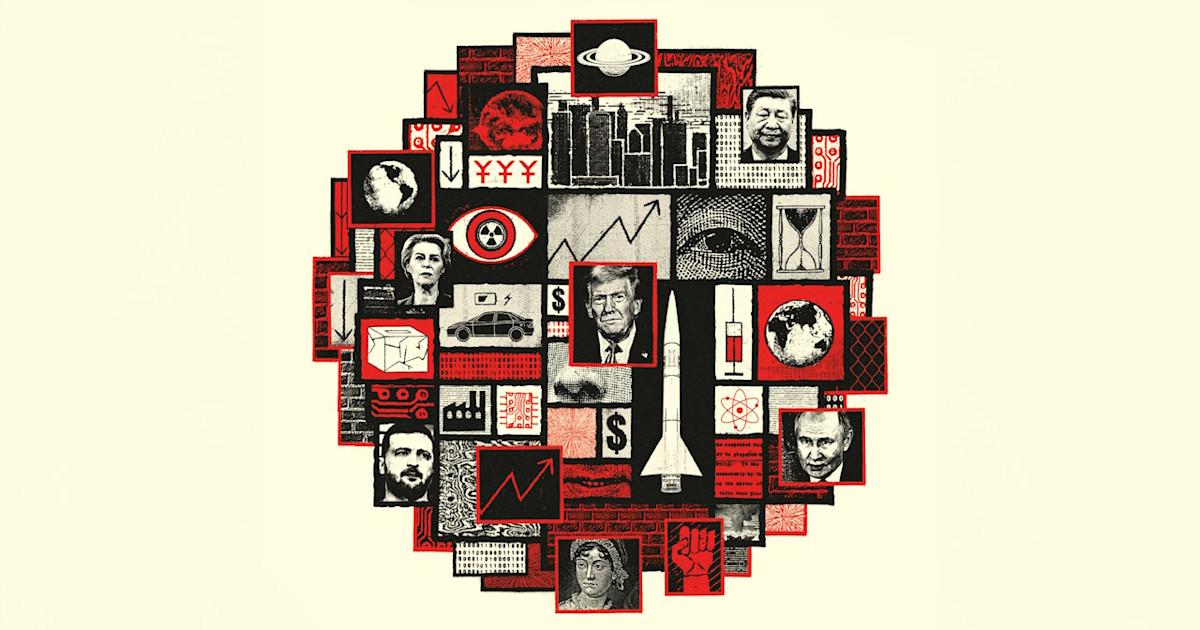
From Morgan Housel's newest release to timeless wisdom on wealth and happiness, these books will change how you think about money.

Netflix's How to Get Rich shows people drowning in debt and caught in financial cycles they can't break. The reactions online are consistent: viewers see themselves. These aren't failures of intelligence. They're gaps in education.

When the traditional path to wealth accumulation closes, people stop being patient. They start placing bets. And the platforms taking the rake are the real play.
Andrej Karpathy just dropped a truth bomb about the seismic shift in programming. The question nobody is asking: what does this mean for your personal finances?

In 2012, a retired software engineer published a blog post with a simple chart. It showed that your savings rate, not your income, determines when you can stop working. That single insight sparked the modern FIRE movement and changed how millions think about wealth, work, and freedom.

Enterprise software has systems of record. Your financial life doesn't. Here's why that matters most when money is in motion.
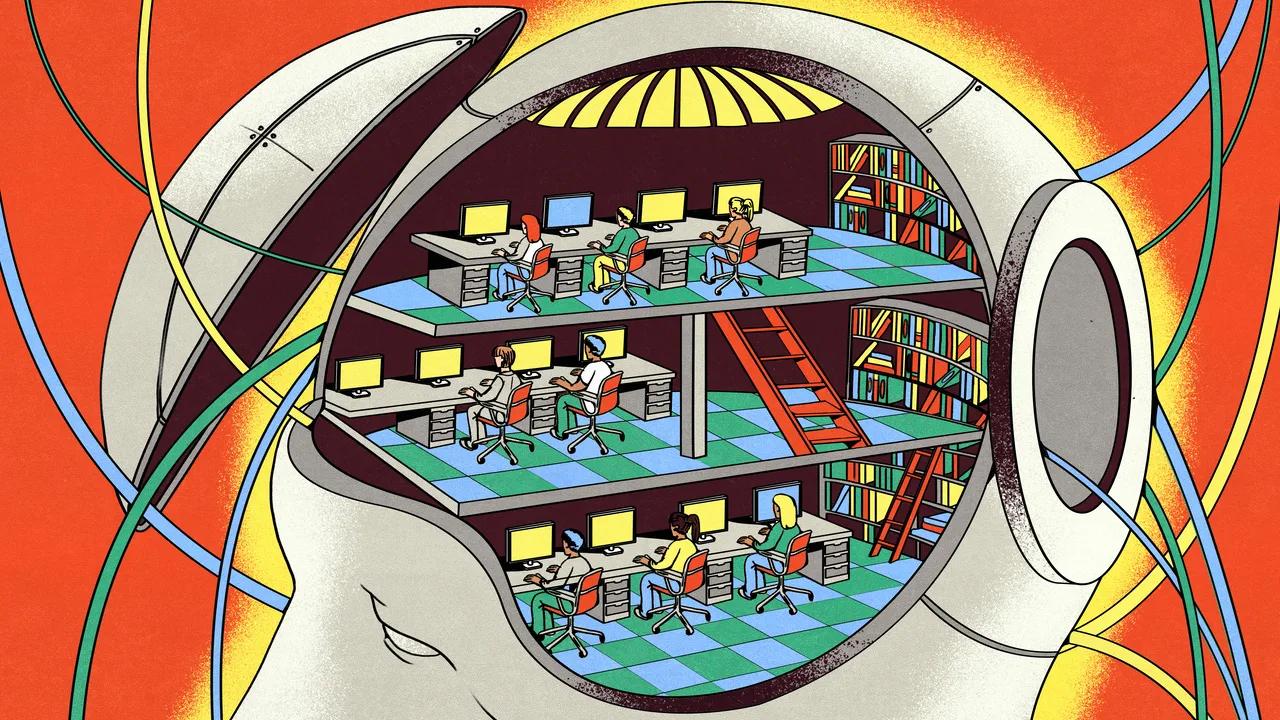
From fraud detection at Stripe to arrival predictions at Uber: a deep dive into the ML systems powering the world's best products, and what we've learned building our own.
Klarna and Chime went public. AI agents started executing trades. Stablecoins crossed $1 trillion in monthly volume. Inside the year that transformed personal finance from promise to infrastructure.
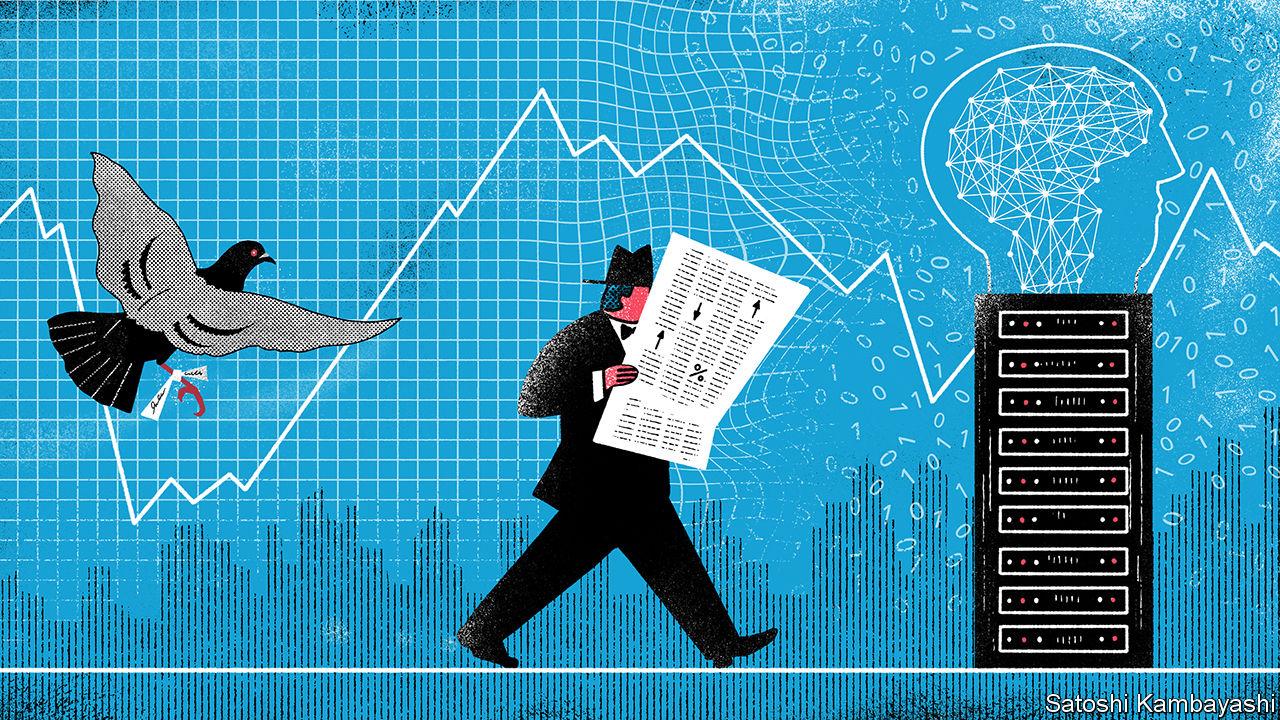
Howard Marks' latest memo examines whether AI represents a dangerous bubble or a transformative opportunity. His framework for thinking about market exuberance—and his concerns about debt financing—offer crucial perspective for every investor.
Run 1,000 Monte Carlo simulations to find your FIRE number. Five interactive charts, personalized insights, and the clarity you need to plan your path to financial independence.

Mint, YNAB, Copilot, Monarch: tracking your money is a solved problem. But the real challenges sit above and between these tools, where intent, timing, trust, and action break down.
We believe everyone deserves access to quality financial planning tools. Today we are excited to introduce two completely free resources: our Retirement Calculator and Investment Education Hub.

The largest intergenerational wealth transfer in history is underway. Here's how the competition for next-gen investors is reshaping wealth management technology.